Meme formats explained: the shapes memes come in
Reaction, image macro, object labeling, exploitable — the recurring structures behind almost every meme, and how to tell them apart.
Most memes aren’t original inventions. They’re a familiar shape with new content poured into it. Once you can name the shapes, a feed stops looking like chaos and starts looking like a small set of templates being reused a few million times.
Here are the structures that account for most of what you’ll see, and what separates them.
Reaction
A still or clip that stands in for a feeling. It carries no argument of its own — the meaning comes entirely from what it’s replying to. A reaction image is correct when the emotion is legible in under a second, which is why the good ones are almost always a face at an extreme.
The test: if you can’t tell what the person is feeling with the sound off and no caption, it won’t survive as a reaction.
Image macro
The classic: an image with bold text above and below. The format is old enough that it now reads as slightly retro, which is part of why it keeps coming back — using one is a small joke about meme history.
What makes a macro work is that the image is a character with a fixed personality. The picture supplies a consistent narrator, and the text supplies what that narrator says this time.
Object labeling
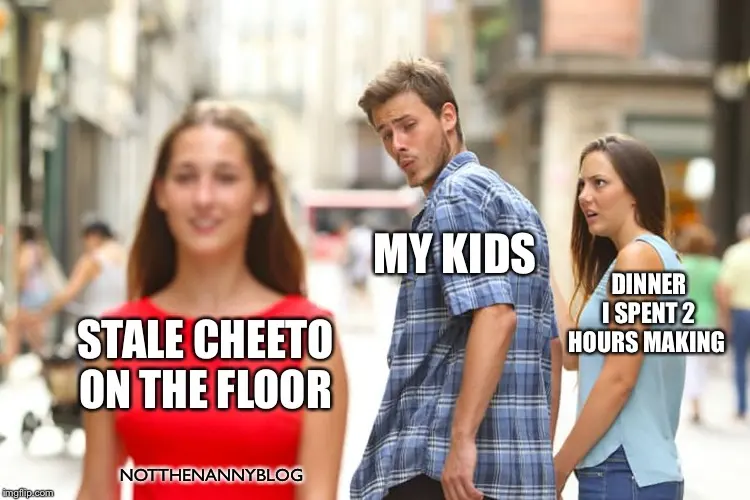
Two or more things in a picture get labeled as concepts, and the relationship between the objects becomes the joke. The image is a diagram pretending to be a photo.
This is the most flexible format and the most abused. It works when the relationship in the picture is genuinely specific — someone turning away from one thing toward another, something small crushing something large. It fails when the picture is just two objects near each other and the labels do all the work.
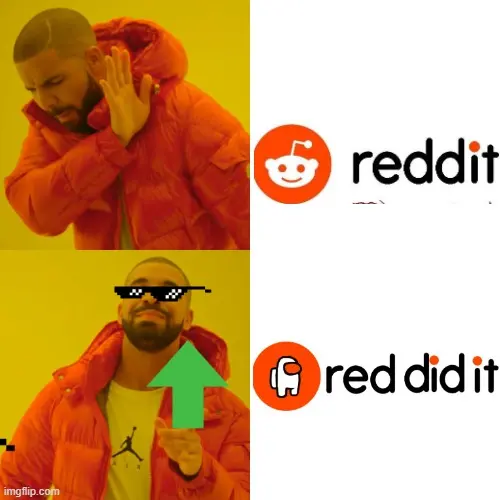
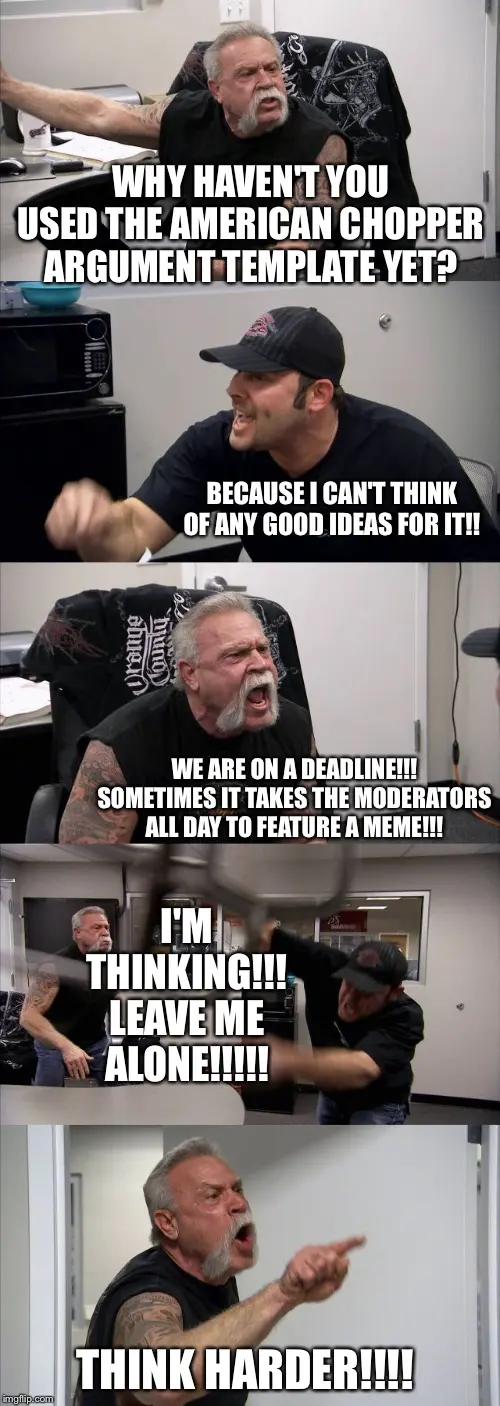
Multi-panel
Panels in sequence, usually setting up an expectation and then breaking it. Two panels is a comparison; four is a story. The extra panels buy you a beat, which is why multi-panel formats carry sarcasm better than single images do.
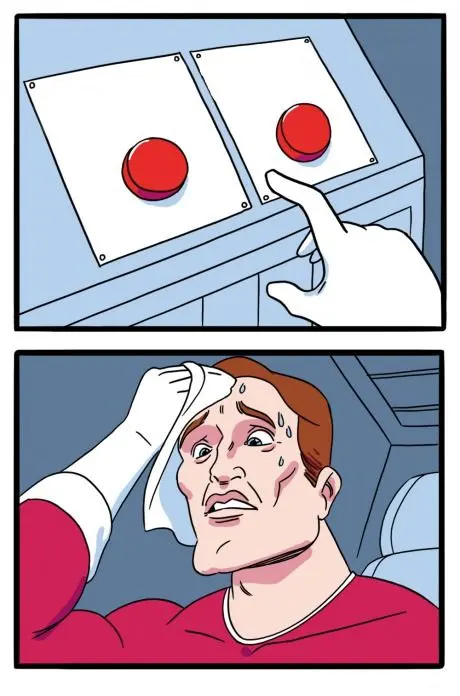
Exploitable
A blank or near-blank template that exists to be filled in. Exploitables are distinguished from macros by intent: nobody cares about the original image, only about what people do to it. The measure of a good exploitable is how many genuinely different jokes it can hold before it feels exhausted.
Catchphrase
A meme with no fixed image at all — just a phrase that carries the joke. A phrase can travel separately from its original clip, so someone may recognize the wording without knowing who first said it. Check the entry’s origin section before crediting the person in the most recent repost.
Character
A recurring figure with a stable personality — a mascot who can be dropped into any situation and behave predictably. A character can support a running joke across different situations. That flexibility does not guarantee a long life: context, audience, and changing associations all affect whether a reuse makes sense.
Why the shape matters
Format describes the structure of a joke; it does not reliably predict its lifespan. A brief trend can return years later, and a widely recognized character can become obscure in a particular community. Choose the structure that communicates your idea, then check how your intended audience reads it.
It’s also the most reliable way to search. If you half-remember a meme, the format is usually easier to recall than the name, which is why every entry here is tagged with one.
- formats
- explainer