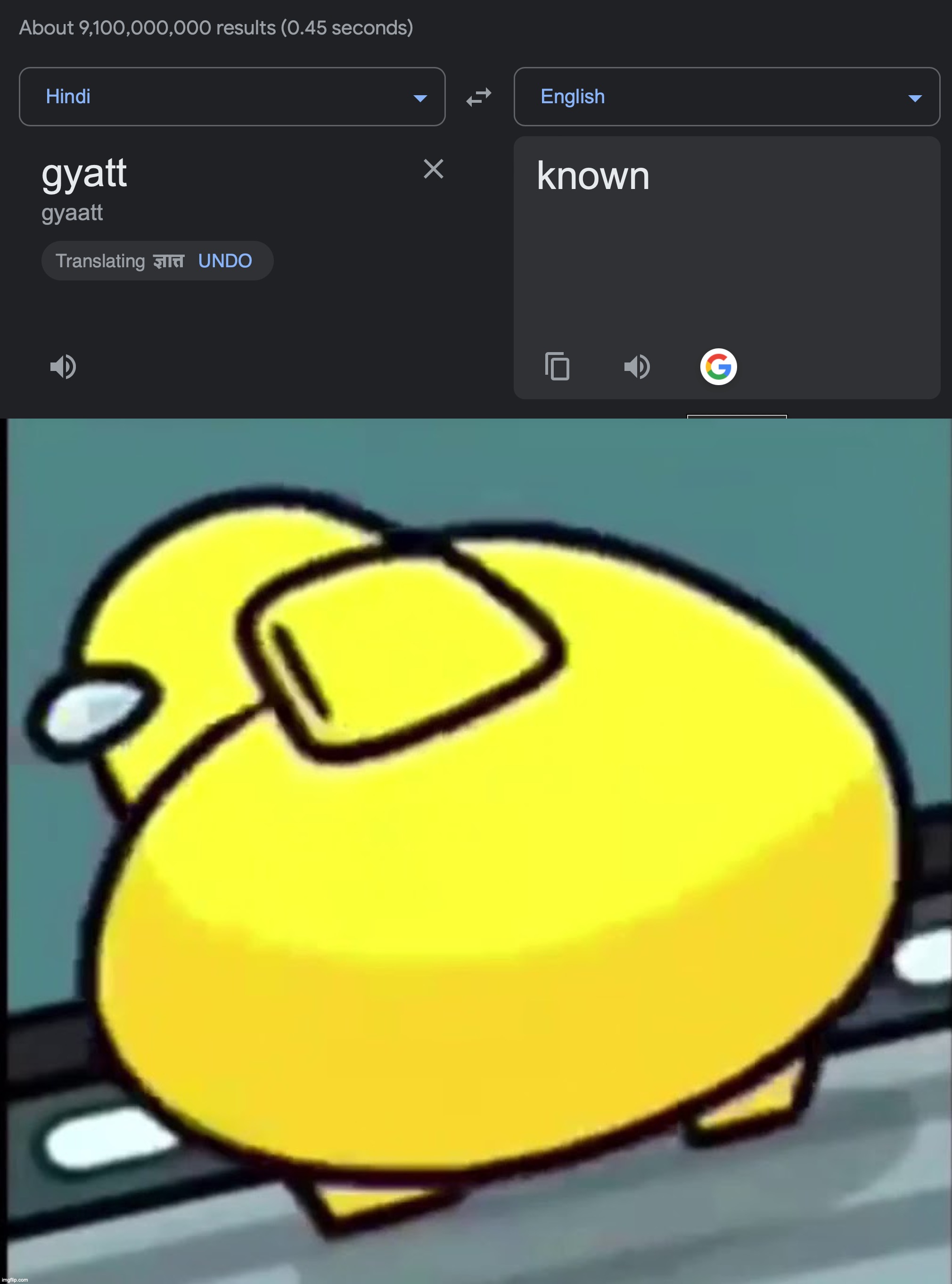
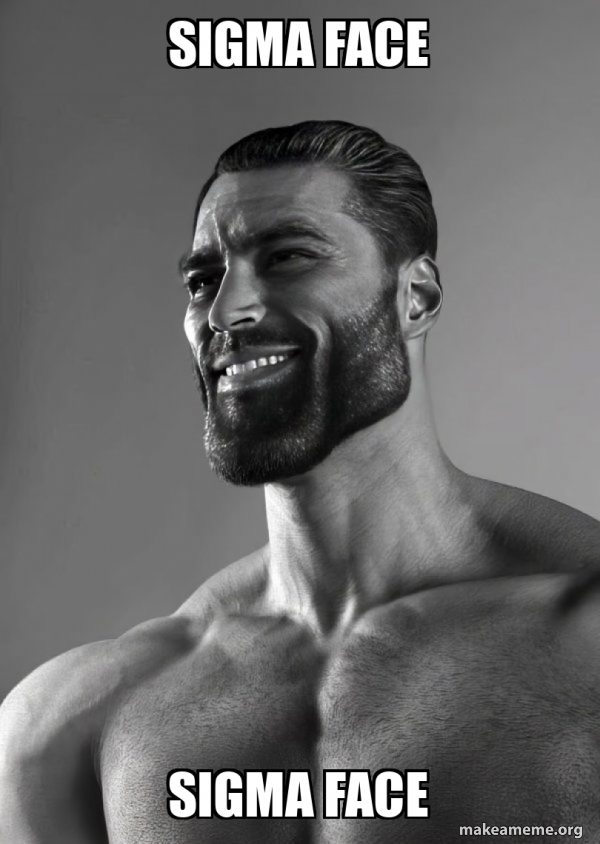
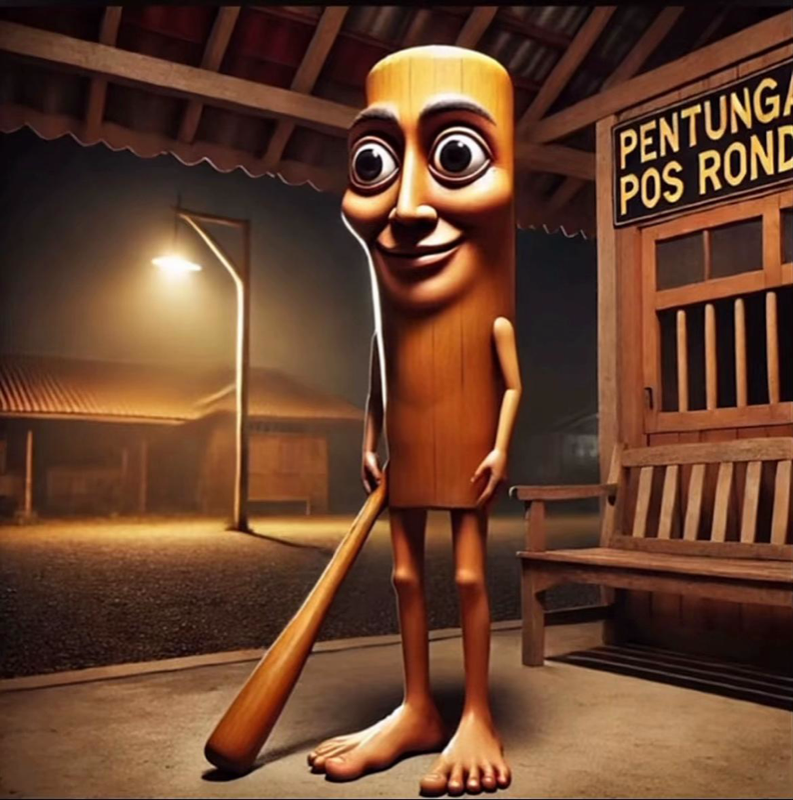
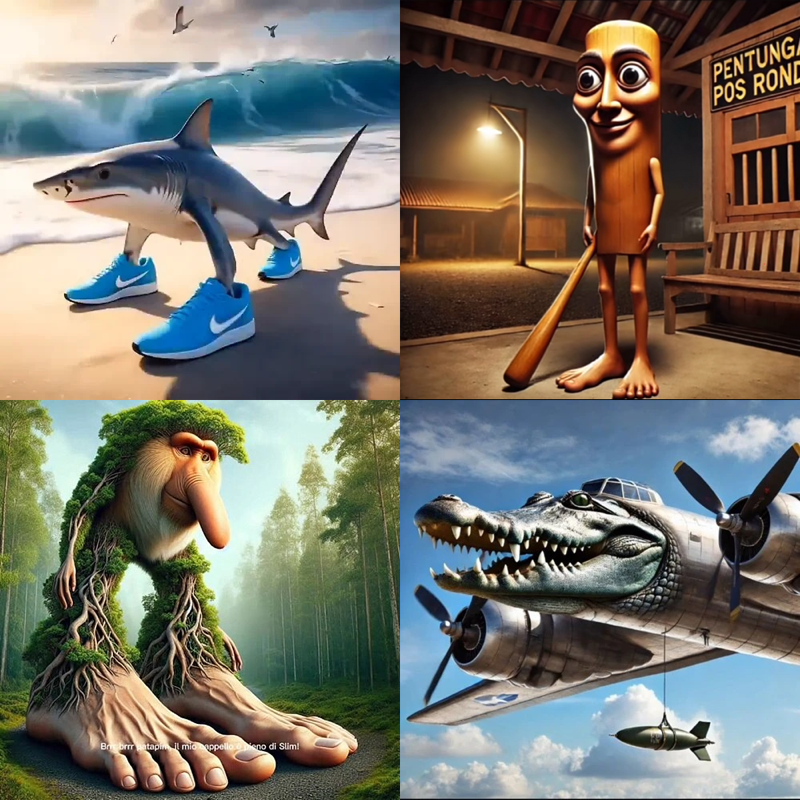
Goofy Ahh
Origin
“Goofy ahh” is a phonetic, self-censored spelling of “goofy ass,” in which “ahh” (also written “ah”) stands in for “ass.” The construction draws on African American Vernacular English (AAVE), where “-ass” works as an intensifier, and the softened “ahh” spelling both mimics that pronunciation and sidesteps profanity filters and monetization rules on TikTok and YouTube. Variants of the phrasing have floated around Twitter since at least 2009, but “goofy ahh” as a recognizable meme unit crystallized on TikTok in late 2021. A major accelerant was creator @proddadood, whose “goofy ahh remixes” of popular songs — the first, a remix of the “Range Brothers” track, posted September 30th, 2021 — racked up hundreds of thousands of views and helped brand a whole absurdist sound.
What it means and how it’s used
At its simplest, “goofy ahh” labels something silly, ridiculous, or absurd — a “goofy ahh outfit,” a “goofy ahh haircut,” a “goofy ahh sound.” The real innovation is grammatical: “-ahh” detached from “goofy” and became a free-floating intensifier suffix that clips onto almost any adjective or noun (“sus ahh,” “weird ahh,” “ugly ahh,” “big ahh”). Used this way it functions as playground emphasis and light mockery at once. Because it saturates the speech of Gen Alpha kids, adults and journalists routinely cite “goofy ahh” as the poster child for baffling “brainrot” slang.
How it spread
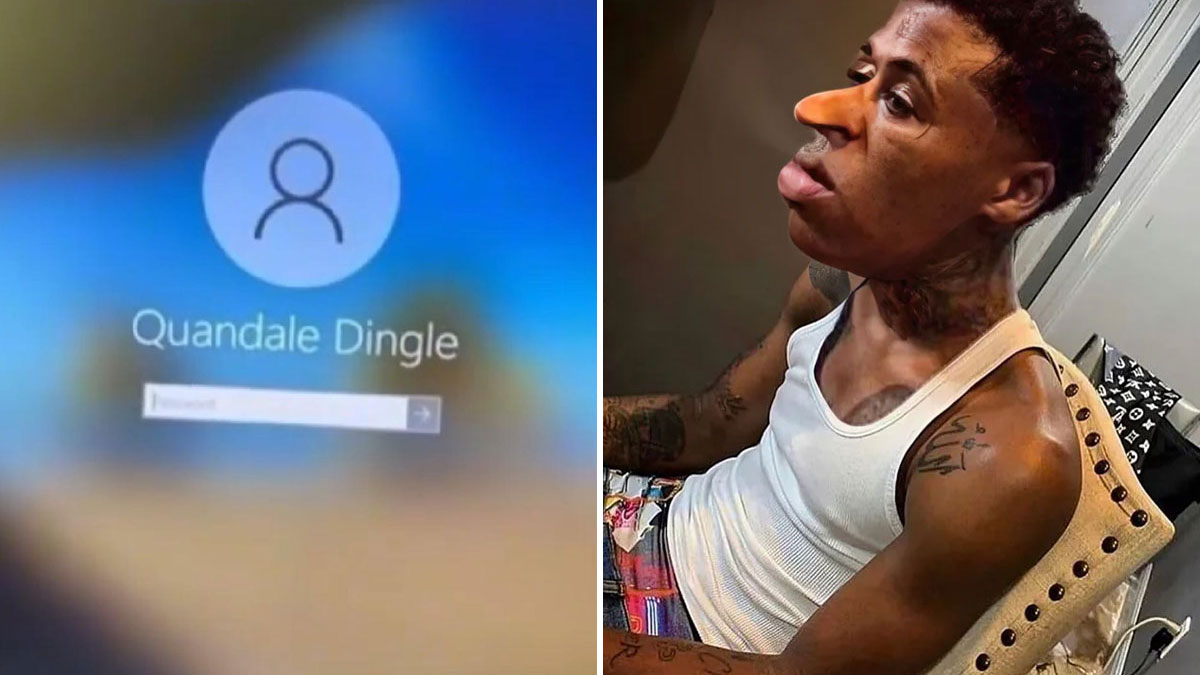
The phrase moved through the same ecosystem that produced Quandale Dingle, “Fanum tax,” and other “21st-century humor” — YouTube skit and soundboard channels, TikTok voiceovers, and Discord servers. A key mutation was the “goofy ahh sound” comment: beginning in early 2022, users started spam-commenting “goofy ahh sound” on any video whose audio featured cartoonish effects, boings, record-scratches, or otherwise indiscernible noise. That comment trend fused the phrase to a specific comedic aesthetic of chaotic, low-effort, deliberately stupid audio. Soundboards collecting these effects circulated widely, and the “goofy ahh” label became shorthand for the entire genre.
Notable examples and variations
- @proddadood’s “goofy ahh remixes,” which set the template for the absurdist “goofy ahh” sound.
- The “goofy ahh sound” spam comment, one of the most common replies on brainrot-adjacent clips through 2022-2023.
- The “-ahh” suffix bolted onto endless adjectives (“sus ahh,” “weird ahh,” “goofy ahh”), often stacked for effect.
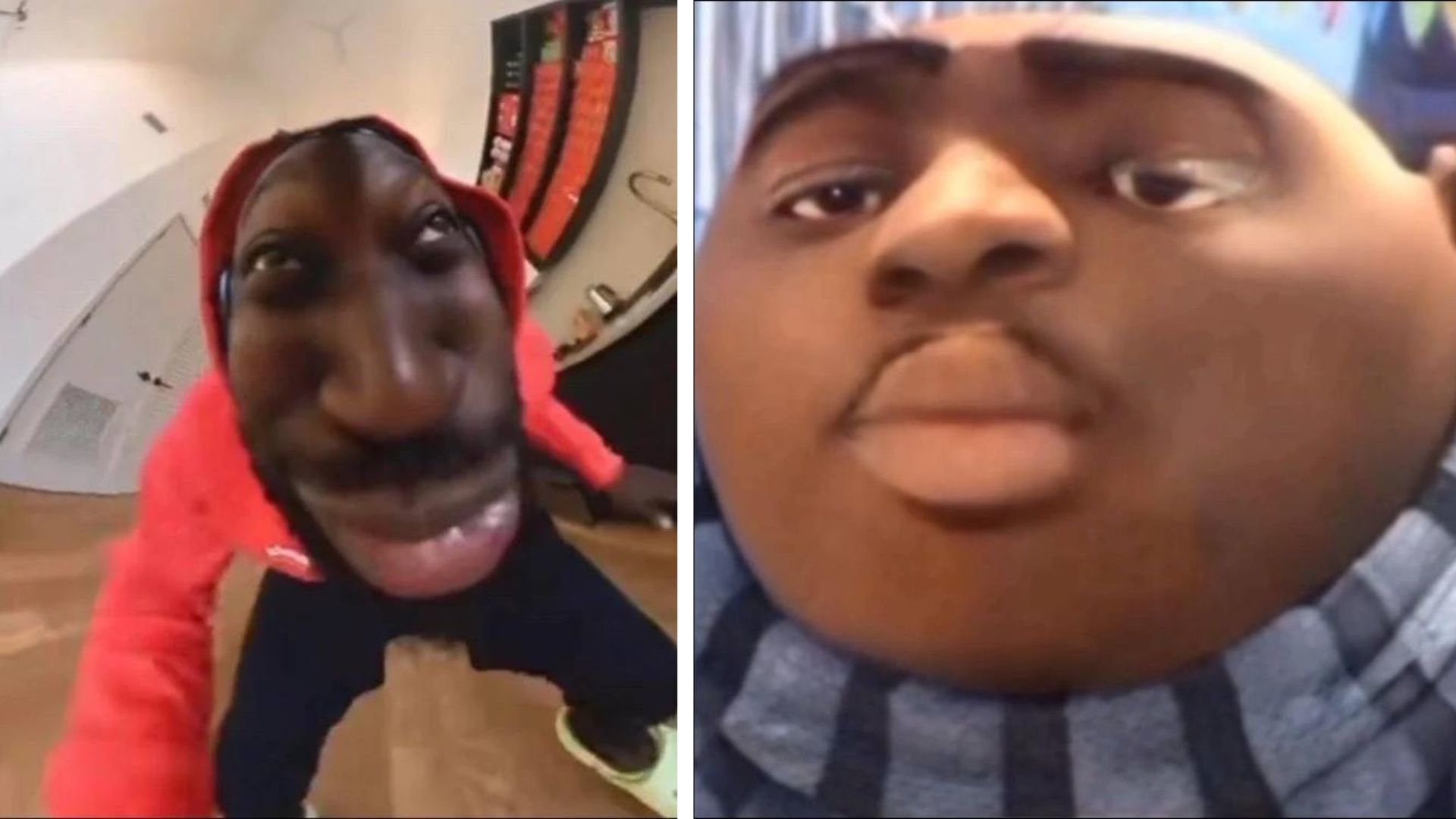
- Overlap with distorted, fisheye “goofy ahh” face edits used as reaction images.
Legacy
“Goofy ahh” outlasted most single-clip memes precisely because it is a flexible piece of grammar rather than one image or video. It became a defining marker of early-2020s Gen Alpha speech, turning up in classrooms, YouTube Shorts, and parents’ bewildered TikToks about the words their kids use. Whether embraced sincerely by younger users or deployed ironically by older ones, the “-ahh” suffix has proven remarkably durable, and it remains one of the most frequently referenced examples when people talk about “brainrot” language.
Examples & gallery
Frequently asked
What does "goofy ahh" mean?
It is a self-censored spelling of "goofy ass," meaning silly, ridiculous, or absurd. The "ahh" replaces "ass" to echo AAVE pronunciation and dodge profanity filters.
Where did "goofy ahh" come from?
The phrasing appeared on Twitter as early as 2009, but it took off on TikTok in late 2021, boosted by creator @proddadood's "goofy ahh remixes."
What is the "-ahh" suffix?
It is a general intensifier lifted from "goofy ahh" that attaches to other adjectives, as in "sus ahh" or "weird ahh," and is a hallmark of Gen Alpha slang.
Is "goofy ahh" still used?
Yes. It remains one of the most cited examples of Gen Alpha "brainrot" slang and is used both sincerely and ironically.
Sources
Embed this meme
Drop this on your site — it links back here.