Looksmaxxing
Origin
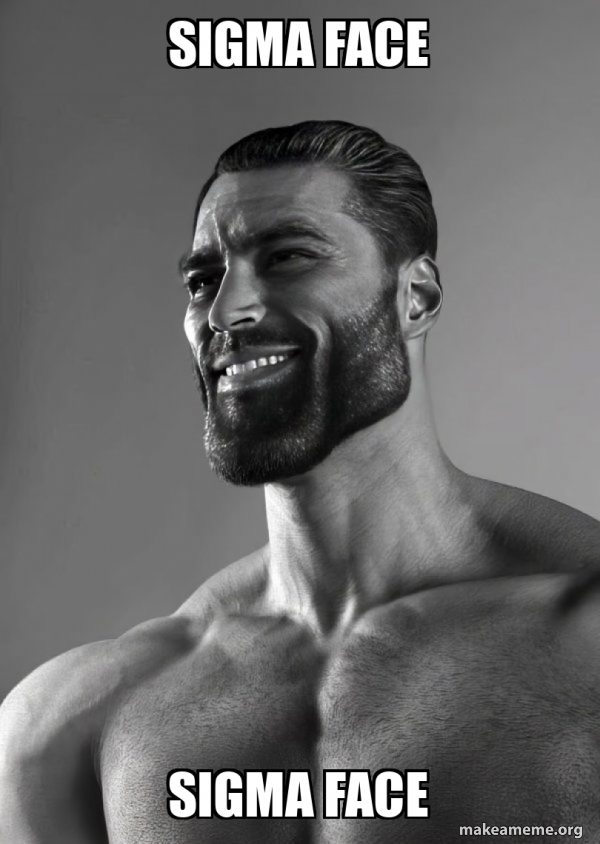
“Looksmaxxing” fuses “looks” with “maxxing” (maximizing) and was born in insular online men’s communities focused on physical appearance — incel forums, the manosphere, and bodybuilding boards. The term is strongly associated with the forum Lookism.net, archived as early as July 2015, and with 4chan’s /fit/ board, where a dense jargon developed: “mogging,” “mewing,” “canthal tilt,” “bone smashing,” and the all-purpose “-maxxing” suffix. For years this vocabulary stayed niche and often toxic, tied to bleak “it’s over / it’s never over” fatalism about one’s genetic “potential.” Short-form video is what dragged it into the open.
What it means and how it’s used
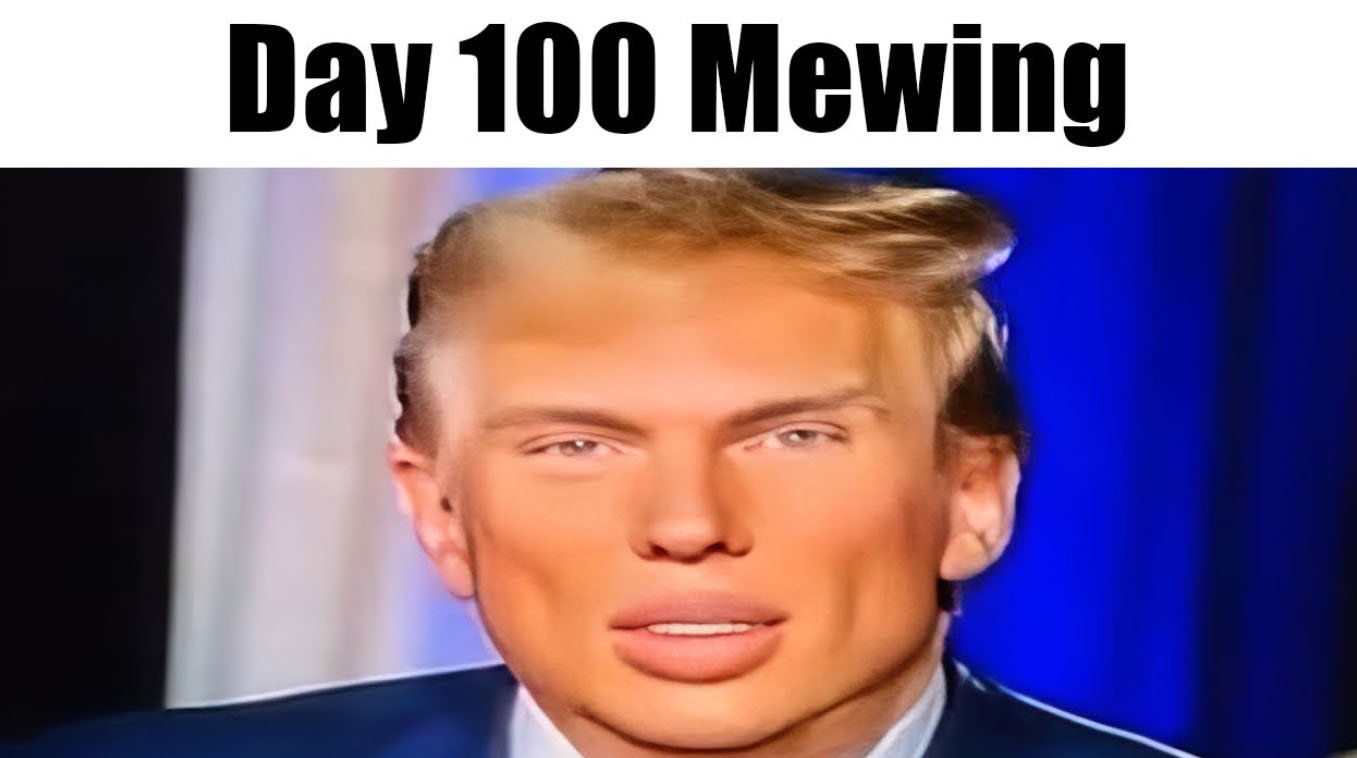
Broadly, to “looksmax” is to maximize your attractiveness — skincare, fitness, grooming, style, posture, dental work. The community splits “softmaxxing” (low-risk grooming and habits) from “hardmaxxing” (surgery and extreme intervention), and obsesses over facial bone structure. Key terms travel with it: “mogging” means to visibly outshine someone in looks (to be “mogged” is to be overshadowed), and “mewing” refers to a tongue-posture technique borrowed from orthodontist John Mew’s “orthotropics.” Among teens the whole cluster is used half-seriously — to hype up a friend, roast one, or joke about “canthal tilt” — as often as it is used sincerely.
How it spread
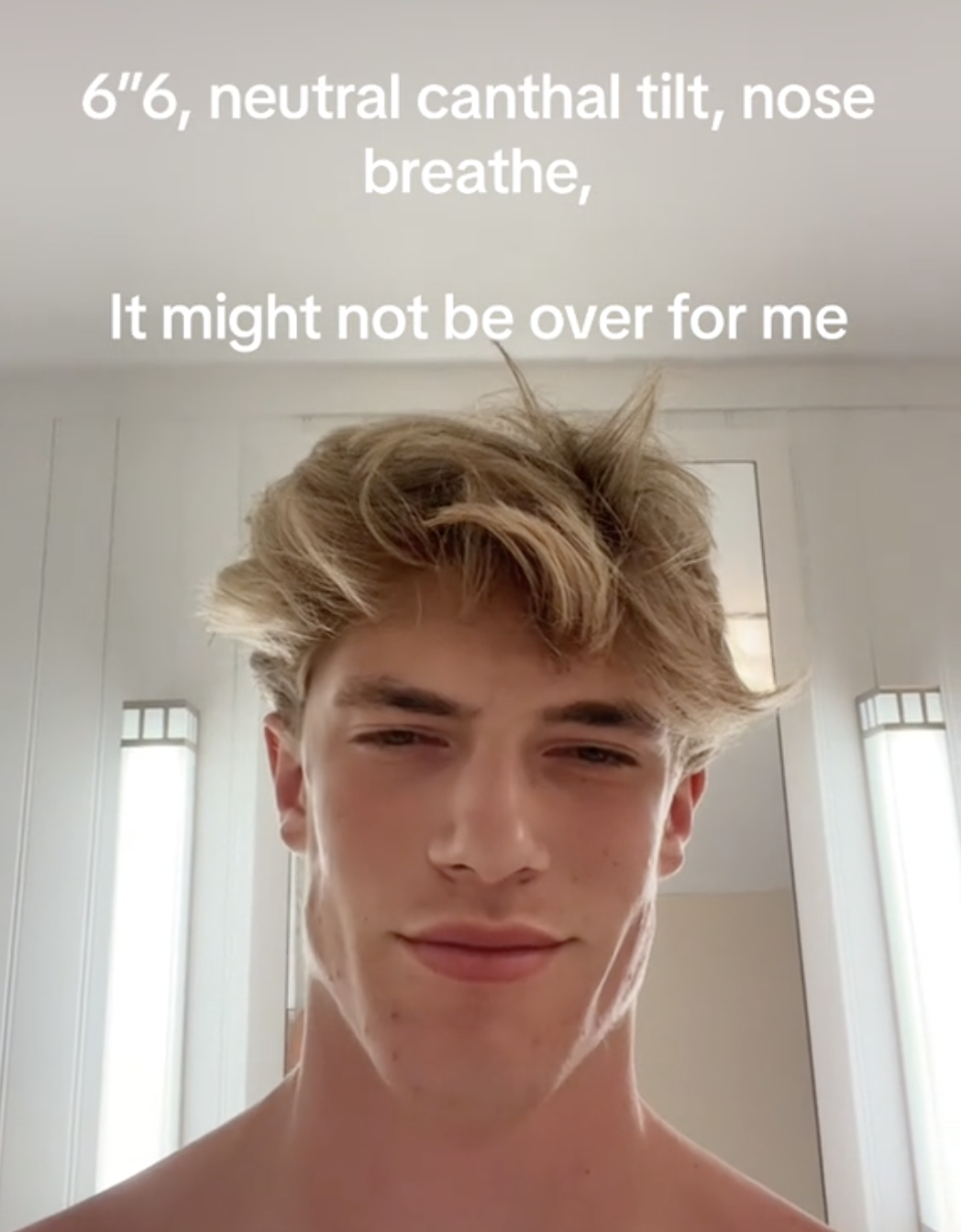
The trend broke out on TikTok around 2023-2024. Meme edits set to moody music, frequently using photos of male model Jordan Barrett, spread the aesthetic, while “mogging” videos splicing celebrity group photos to crown a “winner” pulled in billions of views collectively. The content bifurcated: a lane of earnest self-improvement advice on one side, and a much larger wave of ironic, exaggerated parody on the other — “bone smashing,” absurd “-maxxing” jokes, and deadpan “it might not be over for me” captions over selfies. The “mewing” gesture in particular jumped off-screen: students began miming a finger-to-lips “I’m mewing, can’t talk” shush at teachers, turning the term into a genuine classroom running joke. Mainstream outlets including NBC News covered the surge, often flagging its uneasy overlap with manosphere ideology and unhealthy beauty standards aimed at young men and boys.
Notable examples and variations
- “Mogging” side-by-side edits ranking who out-looks whom, often using celebrities or classmates.
- “Mewing” tutorials and the “mewing” hush gesture (finger to lips), which itself became a schoolyard meme.
- The “-maxxing” suffix applied to everything: “sleepmaxxing,” “gymmaxxing,” “moneymaxxing,” and parody variants.
- Ironic “it’s over / we’re so back” and “it might not be over for me” captions over selfies.
Legacy
Looksmaxxing is a rare case of fringe forum jargon graduating to global playground slang within a couple of years. For many younger users the terms are pure irony — a way to joke about appearance anxiety rather than endorse it — but educators, journalists, and researchers have raised real concern about the pipeline from harmless “-maxxing” jokes to genuinely harmful manosphere content and body-image pressure. Either way, its vocabulary — mog, mew, canthal tilt, maxxing — is now firmly embedded in mainstream internet speech.
Examples & gallery
Frequently asked
What does looksmaxxing mean?
It means maximizing your physical attractiveness through grooming, fitness, skincare, and appearance tweaks. Online it ranges from earnest self-improvement to heavy parody.
What is mogging?
Mogging is visibly outshining someone in looks; to be "mogged" is to be overshadowed by a better-looking person nearby.
Where did looksmaxxing come from?
It originated in incel, manosphere, and bodybuilding forums such as Lookism.net in the 2010s, then went mainstream on TikTok around 2023-2024.
Is looksmaxxing harmful?
Much of it is ironic humor, but journalists and educators have warned about its links to manosphere ideology and unhealthy beauty standards aimed at young men.
Sources
Embed this meme
Drop this on your site — it links back here.