For Legal Reasons, That's a Joke
Origin
The phrase comes from PewDiePie’s music video “Congratulations,” released on March 31, 2019.
The video was the final entry in the long-running subscriber rivalry between PewDiePie and the Indian music label T-Series, which had spent months overtaking him as YouTube’s most-subscribed channel. The song is a sarcastic congratulation, and at one point it implies a connection between the label and organised crime — immediately followed by the disclaimer:
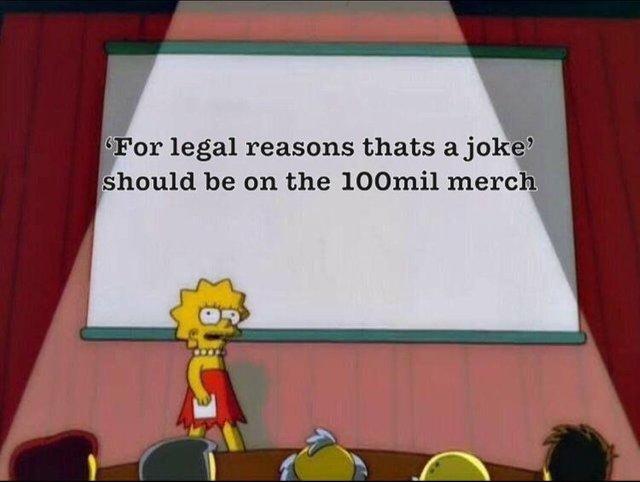
“For legal reasons, that’s a joke.”
The disclaimer is the joke. Appending a legal hedge to a statement does not retract it; it draws attention to it, and signals that the speaker knows exactly what they said.
What it means / how it’s used
The phrase is a mock disclaimer attached to an outrageous, defamatory-sounding, or incriminating statement. It performs deniability without providing any.
Its uses:
- Following a joke accusation about a company or public figure.
- Attached to an admission the poster does not want taken seriously.
- Appended to a genuine opinion the poster is pretending to walk back.
- As a standalone reply to someone else’s unwise statement.
The construction has a real-world ancestor in the disclaimers that satirists and comedians actually use, which is why it reads as plausible before it reads as a joke.
How it spread
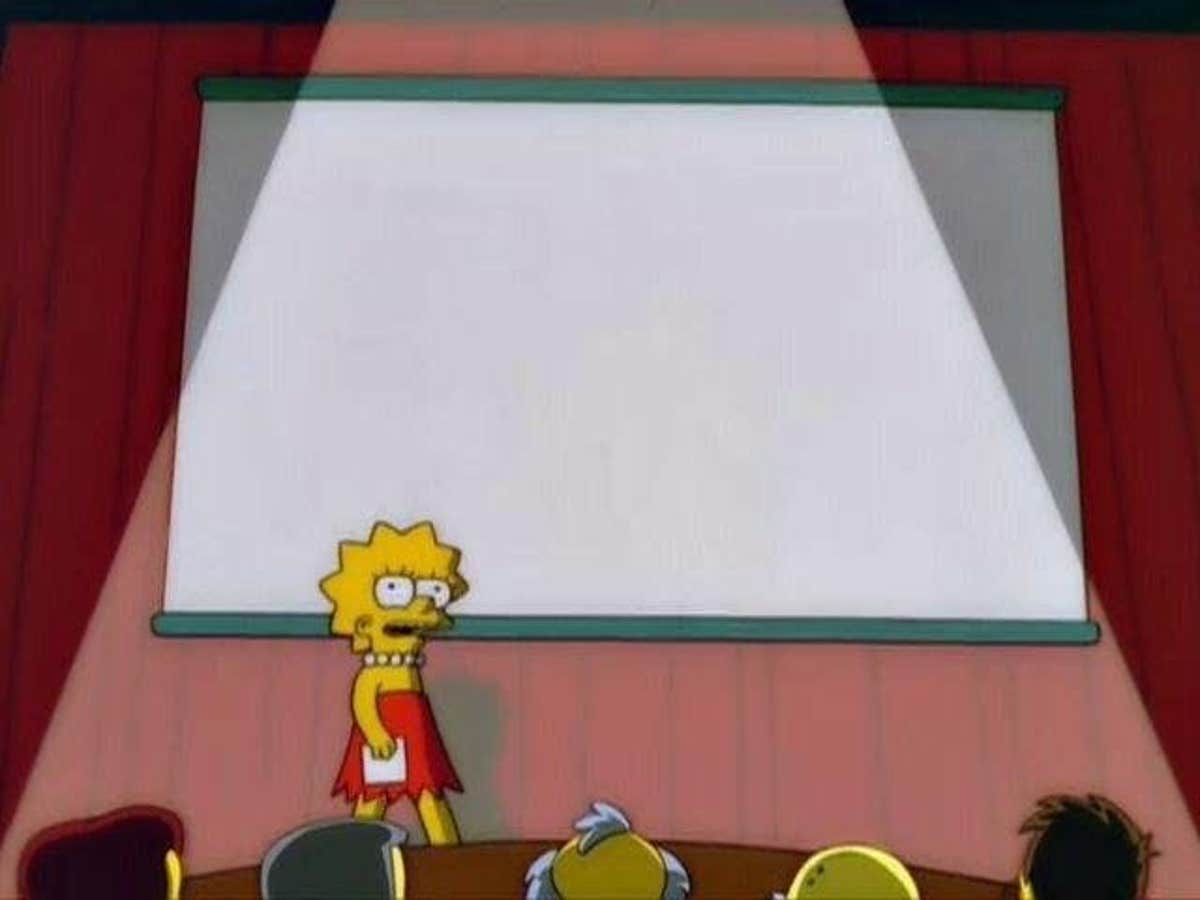
The format appeared the day after the video. On April 1, 2019, versions circulated across Reddit, with a post on a meme-economy subreddit taking 12,000+ points and another, built as a Lisa Simpson presentation, taking 14,000+ likes.
It spread quickly beyond PewDiePie’s audience, because the phrase works entirely independently of its source — you do not need to know about the subscriber rivalry, the label, or the video for the joke to land.
The subscriber war itself is worth noting as context: it ran through 2018 and 2019, generated an enormous volume of memes, and ended with T-Series decisively ahead. The rivalry has largely faded from memory; this phrase is one of the few artifacts of it still in daily use.
Notable examples & variations
- Joke accusations followed by the disclaimer.
- Versions where the disclaimer is longer than the statement.
- Extended riffs adding further legal hedging.
- Uses as a reply to someone else’s incriminating post.
- Text-only use, by far the most common form.
Legacy / cultural impact
The phrase has passed into general internet speech and is now used routinely with no reference to its origin. It has also proved genuinely durable in a way most creator-derived catchphrases are not, because it names a rhetorical move that predates it and will outlast it: saying something and then pretending you did not.
Its survival is a reminder that the most portable memes are usually the ones that describe a behaviour rather than a moment — the video is largely forgotten, the rivalry is over, and the disclaimer is still being typed daily.
Examples & gallery
Frequently asked
Where does "for legal reasons, that's a joke" come from?
PewDiePie's music video "Congratulations," released March 31, 2019, which was the final entry in his subscriber rivalry with the label T-Series.
What does it mean?
It is a mock disclaimer attached to an outrageous statement — performing deniability while drawing attention to what was just said.
When did it become a meme?
The day after the video. On April 1, 2019 Reddit versions took 12,000+ and 14,000+ points.
Why did it outlast its source?
The joke works without any knowledge of the video or the rivalry, because it describes a rhetorical move — saying something and then pretending you didn't.
Sources
Embed this meme
Drop this on your site — it links back here.