Gonna Tell My Kids
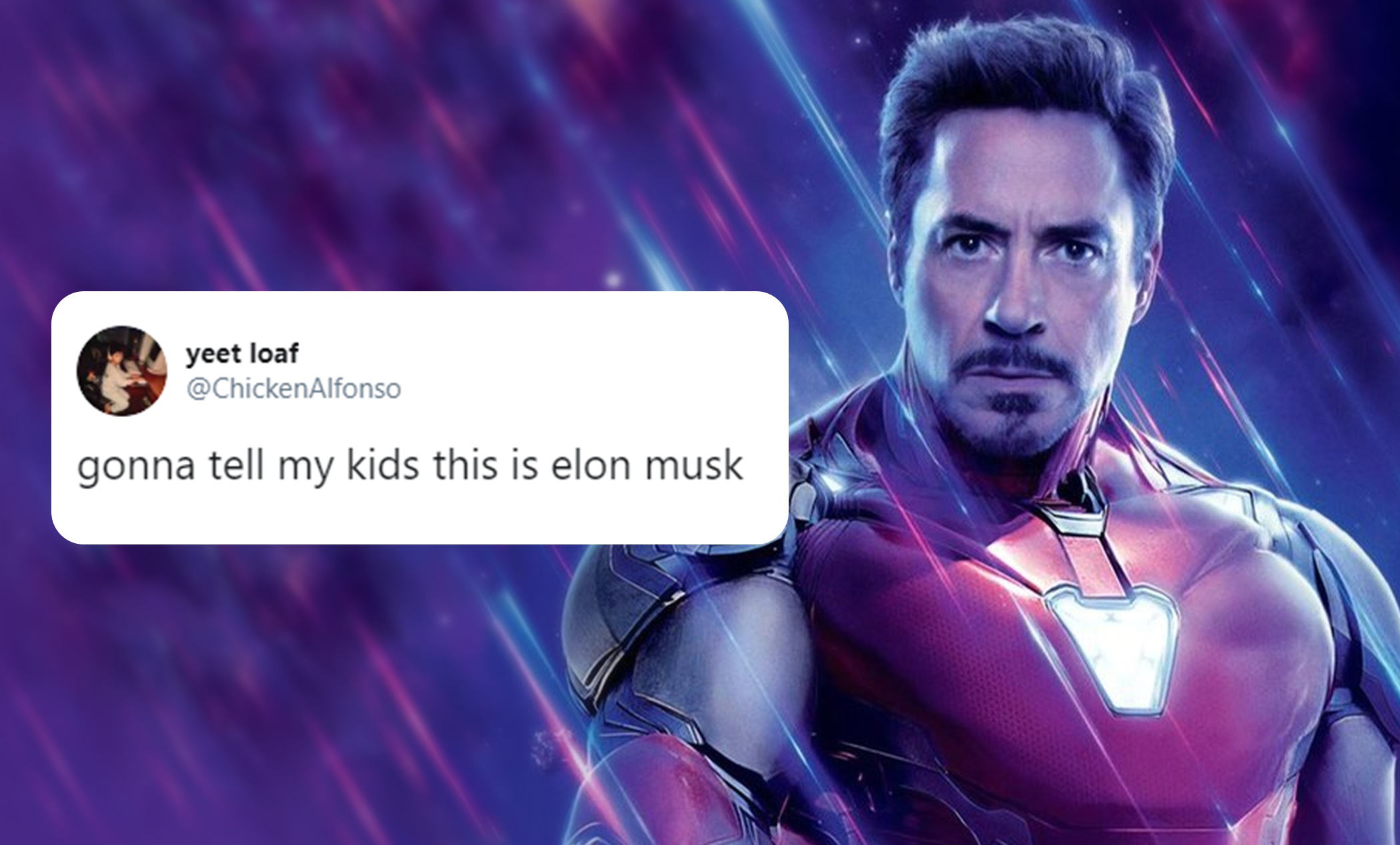
Origin
The format was created on July 2, 2019, when a Twitter user posted a photograph of the rapper Juelz Santana with the caption that they were going to tell their kids, decades from now, that this was Barack Obama.
The post took over 105,000 likes and 33,000 retweets, and the structure was immediately reusable: post an image of someone or something, claim you will misidentify it to your future children, and let the mismatch do the work.
What it means / how it’s used
The joke is about the unreliability of received history — specifically, the recognition that children believe whatever adults tell them about a period they did not live through, and that this is an exploitable opportunity.
Its varieties:
- Celebrity substitution — a person misidentified as a more famous one.
- Historical figures — modern people claimed as figures from the past.
- Objects and animals — nonsense identifications played completely straight.
- Self-flattering versions — the poster identifying themselves as somebody impressive.
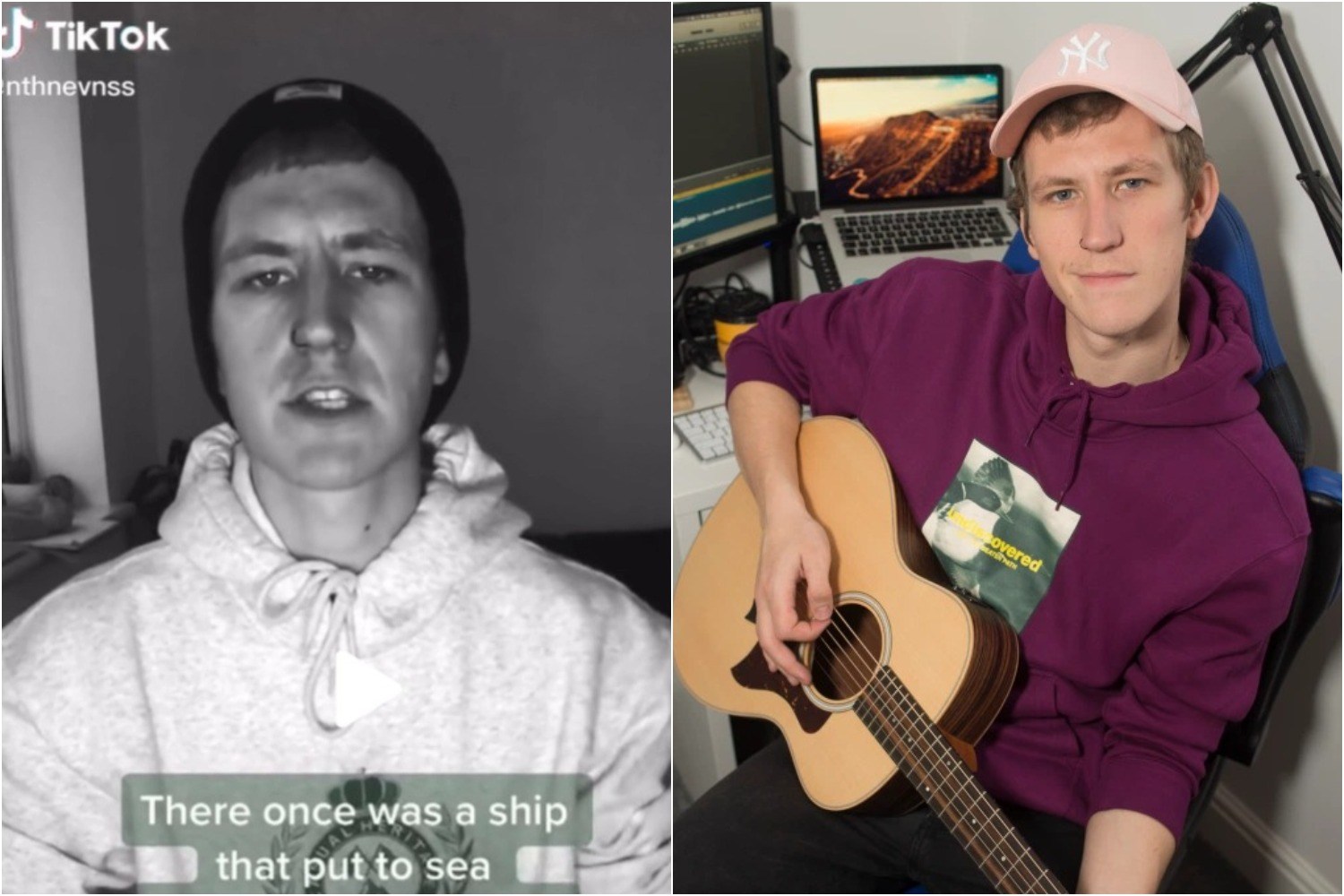
The best versions rely on a genuine, fleeting resemblance — enough that the claim is momentarily plausible before it collapses.
Underneath the joke is something the format is quietly accurate about: a great deal of what anyone knows about the decades before their birth comes from whoever told them about it, unchecked.
How it spread
After the July 2019 original, the format built steadily through the autumn — a version in September 2019 claimed a cartoon character as a head of state — and then exploded in November 2019.
That month produced its biggest posts: a November 13, 2019 version identifying a Breaking Bad scene as Obama took 61,600+ likes, and a November 17, 2019 version claiming a musician was Abraham Lincoln took 176,100+ likes in two days.
By the end of 2019 it was one of the year’s dominant formats, and it has remained in steady use since — helped by requiring nothing but an image and one sentence.
Notable examples & variations
- Celebrity-for-celebrity substitutions, the founding form.
- Historical-figure claims about modern people.
- Deliberately absurd object identifications.
- Versions where the resemblance is genuinely uncanny.
- Self-inserting versions.
Legacy / cultural impact
“Gonna tell my kids” is one of the most successful caption-only formats of recent years. It has no template image, no fixed source, and no visual grammar to learn — only a sentence, which means it can attach to literally any picture.
That flexibility is why it survived while more elaborate 2019 formats did not. There is nothing to wear out: the joke is regenerated entirely by whatever image the poster brings to it.
It also arrived at a moment when its premise was becoming less hypothetical. The format jokes about deliberately feeding children a false version of the recent past — a bit that reads differently in an era of convincing synthetic images, where the same claim can be made with a picture that never existed at all. The meme predates that shift, but it now sits oddly close to it.
Examples & gallery
Frequently asked
Where did "gonna tell my kids" come from?
A tweet from July 2, 2019 posting a photo of rapper Juelz Santana and claiming it would be presented to the poster's future children as Barack Obama. It took 105,000+ likes.
How does the format work?
Post any image and claim you will misidentify it to your future children as someone or something else. The mismatch is the joke.
When did it peak?
November 2019. A November 17 version claiming a musician was Abraham Lincoln took 176,100+ likes in two days.
Why has it lasted?
It is caption-only — no template image, no visual grammar to learn — so the joke is regenerated entirely by whatever picture the poster brings.
Sources
Embed this meme
Drop this on your site — it links back here.