LOLcats (I Can Has Cheezburger)
Origin
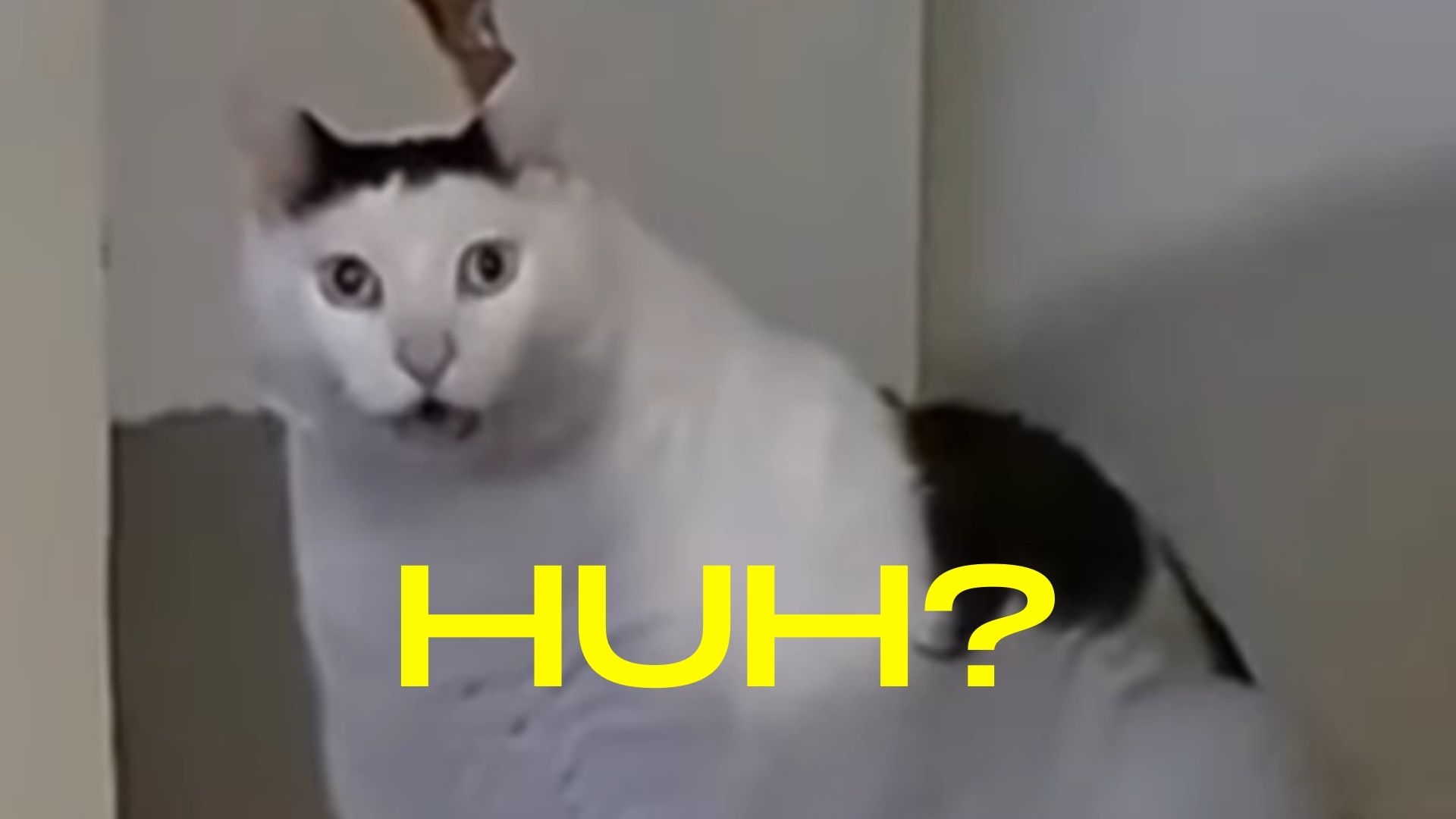
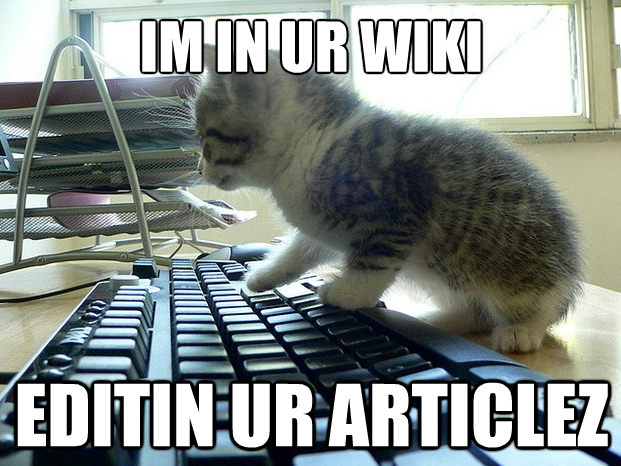
LOLcats are photographs of cats captioned in deliberately broken English, set in heavy white Impact type. They emerged on 4chan around 2005, where a weekly tradition called Caturday had users posting cat pictures every Saturday — reportedly begun as a counter-programme to another recurring thread.
The captions developed their own grammar. Lolspeak systematically misspells words, mangles verb agreement, and adopts the syntax of an enthusiastic creature with a limited vocabulary: I can has cheezburger?, im in ur base killin ur d00dz, invisible bike.
The format also has genuine prehistory. The photographer Harry Pointer was staging and captioning cat photographs in the 1870s, and Harry Whittier Frees produced similar work in the early 1900s. The 1970s “hang in there” kitten poster is a direct ancestor of the caption-over-cat form.
What it means / how it’s used
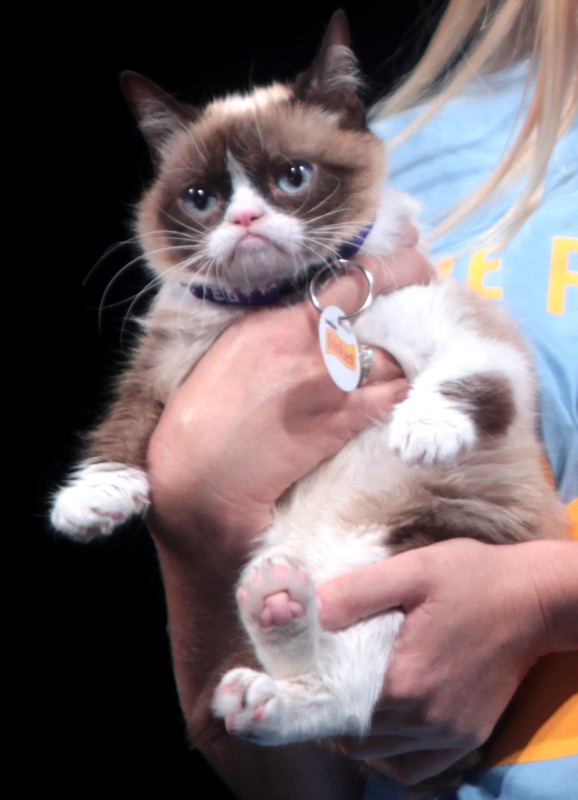
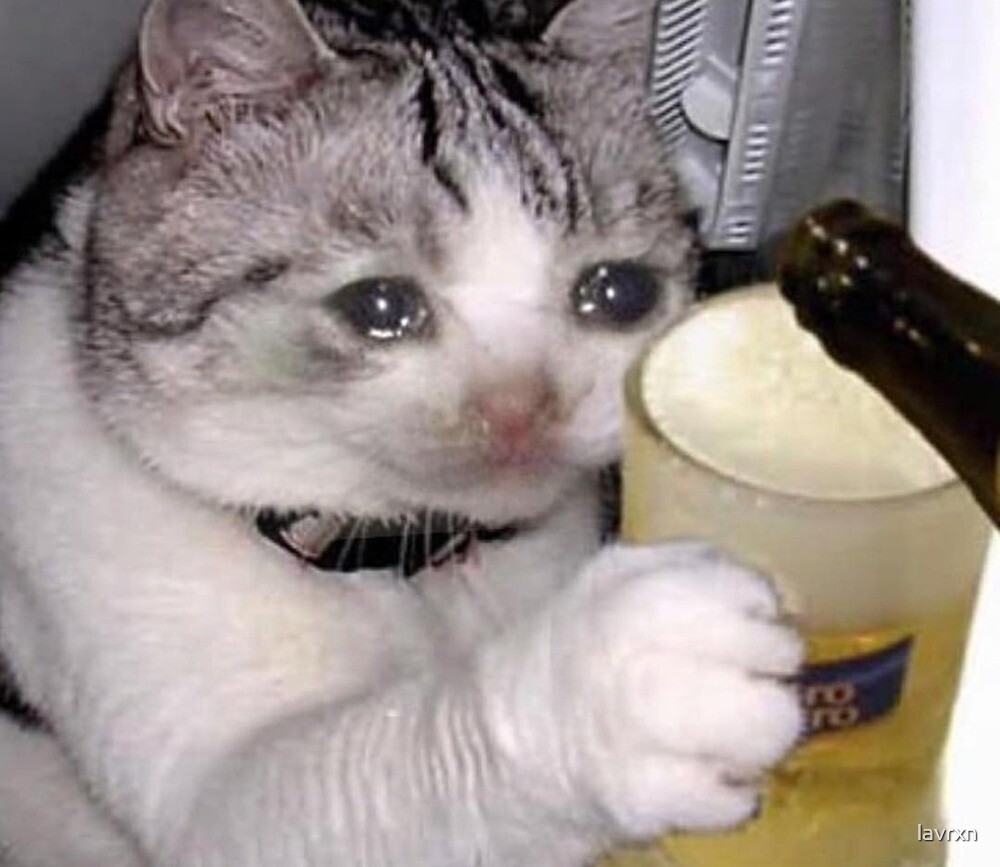
A LOLcat pairs an expressive animal photograph with a caption written in the animal’s voice, phrased as though the cat is thinking it and has an imperfect grasp of language.
The humour has two layers: the cat’s imagined interior life, and the specific comedy of the broken grammar, which reads as earnest rather than stupid. Lolspeak is affectionate — it makes the cat sound eager, not dim.
How it spread
The format left 4chan fast. LOLcats.com was registered on June 14, 2006, and Urban Dictionary defined “lolcat” on September 12, 2006.
The decisive site was I Can Has Cheezburger?, launched in 2007 by Eric Nakagawa and Kari Unebasami after they posted a single captioned cat image. It grew explosively — receiving 200 to 500 user submissions a day by that year — and was sold within months for a reported six-figure sum, becoming the foundation of a large humour-site network.
Mainstream recognition followed quickly: Time reported 3.3 million search results for the term by June 2007, a dedicated subreddit launched in January 2008 and passed 67,000 subscribers within five years, Entertainment Weekly ranked LOLcats among its greatest media of the decade in December 2009, and academic and gallery treatments followed through 2012 and 2013.
Notable examples & variations
- “I Can Has Cheezburger?”, the format’s founding caption.
- “Im in ur base, killin ur d00dz,” from gaming culture.
- Ceiling Cat and Basement Cat, the format’s mythology.
- Longcat and other individual cat characters.
- The Impact-on-photo layout, which became the default meme format for a decade.
Legacy / cultural impact
LOLcats are the foundational image macro. The convention they established — a photograph with white Impact text, top and bottom — became the default visual grammar of internet humour for roughly ten years, and every meme generator built between 2007 and 2015 was designed around it.
They also marked the point at which internet humour became legible to people who were not on the internet. LOLcats were the first meme format to reach a genuinely general audience, and for several years they were what “a meme” meant to most people.
The style is now dated, which is itself informative: the format was so completely dominant that abandoning it was the clearest way for later meme culture to signal it had moved on.
Examples & gallery
Frequently asked
What is a LOLcat?
A cat photograph captioned in deliberately broken English — "lolspeak" — set in heavy white Impact type. The format emerged on 4chan around 2005.
What was I Can Has Cheezburger?
The site that took the format mainstream, launched in 2007 by Eric Nakagawa and Kari Unebasami. It was receiving 200 to 500 submissions a day within the year and was sold within months.
Do captioned cat photos predate the internet?
Yes. Harry Pointer was staging and captioning cat photographs in the 1870s, and Harry Whittier Frees produced similar work in the early 1900s.
Why do they matter?
The Impact-text-over-photo layout they established became the default visual grammar of internet humour for roughly a decade.
Sources
Embed this meme
Drop this on your site — it links back here.