Nature Is Healing
Origin
In March 2020, as much of the world entered lockdown, a series of posts began circulating claiming that wildlife was returning to spaces humans had vacated. The most widely shared examples asserted that dolphins and swans had returned to the canals of Venice, and that the water had become clean enough to see fish.
Almost none of it was true. The “dolphins” footage was filmed at a port in Sardinia, hundreds of miles away. The swans were ordinary residents of Burano, a Venetian island where they had always lived. The canals did look clearer — but because reduced boat traffic had stopped stirring up sediment, not because the water was cleaner.
Fact-checkers, including National Geographic, debunked the claims within days. The correction is where the meme starts.
What it means / how it’s used
Having been told that nature was healing and then told it was not, the internet did what it does: it made the claim absurd on purpose.
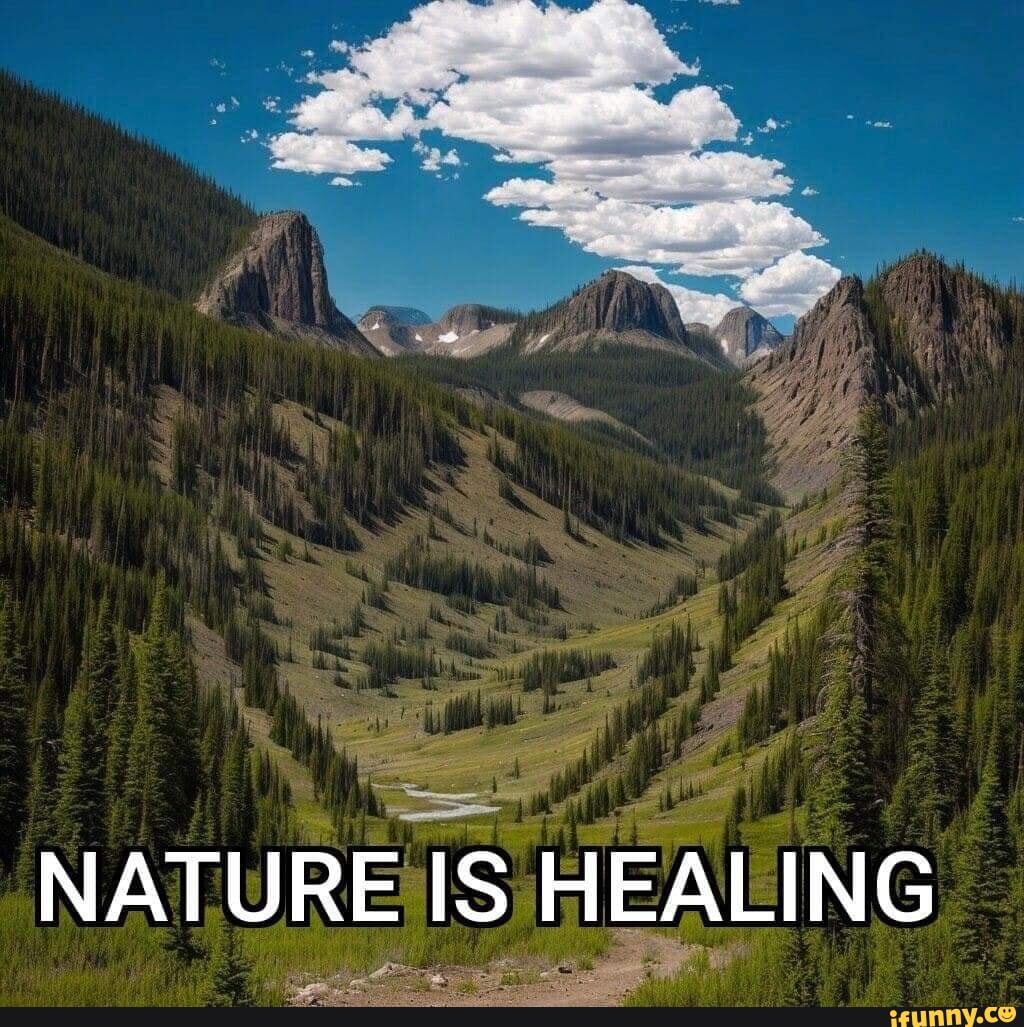
The satirical format pairs a deliberately ridiculous image with the caption “nature is healing, we are the virus.” The images are pointedly fake or trivial:
- Ordinary pigeons described as returning to a city they never left.
- Shopping trolleys in a river presented as wildlife.
- Toys, garden ornaments, and inflatable animals in urban settings.
- Genuinely mundane photographs framed as ecological restoration.
The joke has two targets: the credulity of the original posts, and the slightly self-flattering misanthropy of “we are the virus” — a sentiment that sounds environmentally conscious while proposing nothing.
How it spread
The satirical version emerged in late March 2020, within days of the debunkings, and spread rapidly across Twitter, Reddit and Instagram through the spring.
It became one of the defining formats of the early pandemic, and one of the few genuinely funny ones — a period when a great deal of online humour was strained, and this format’s target was specifically the internet’s own behaviour.
Press coverage followed quickly, with outlets treating it as a case study in how misinformation spreads and how quickly online communities can turn on a story they had amplified themselves.
Notable examples & variations
- Mundane animals framed as miraculous returns.
- Litter and debris presented as restored ecosystems.
- Toys and inflatables in urban water.
- Versions applying the caption to human behaviour instead.
- Sincere posts from the original wave, now reshared as examples.
Legacy / cultural impact
“Nature is healing” is one of the sharpest artifacts of spring 2020, and it remains a standard reference in discussions of pandemic-era misinformation.
Its more interesting legacy is as self-directed satire. The format’s real subject was not Venice or dolphins — it was the internet’s appetite for an uplifting narrative, its willingness to share one without checking, and the specific comfort of a story in which the problem is humanity in general and therefore nobody in particular.
Examples & gallery
Frequently asked
Did dolphins really return to the Venice canals?
No. The footage was filmed at a port in Sardinia, hundreds of miles away. The swans in other posts were ordinary residents of Burano, where they had always lived.
Were the canals actually cleaner?
They looked clearer because reduced boat traffic stopped stirring up sediment, but the water was not cleaner.
What is the meme?
A satirical format pairing deliberately absurd or mundane images with the caption "nature is healing, we are the virus" — mocking both the original false claims and the self-flattering misanthropy of the phrase.
When did it start?
Late March 2020, within days of fact-checkers debunking the original viral claims.
Sources
Embed this meme
Drop this on your site — it links back here.