Side Eye
Origin
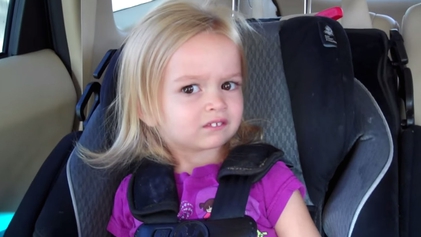
“Side eye” is a real-world expression — a sideways glance of suspicion or disapproval — that long predates the internet. As a meme format, its defining image is “Side-Eyeing Chloe”: a screen-grab of a small girl named Chloe Clem shooting a skeptical, unimpressed look. It comes from the YouTube video “Lily’s Disneyland Surprise…AGAIN!”, uploaded by the Clem family on September 12th, 2013, in which parents tell sisters Lily and Chloe from the car that they are going to Disneyland. Big sister Lily bursts into overwhelmed tears; two-year-old Chloe, sitting beside her, turns to the camera with a wary side-eye that instantly stole the clip.
What it means and how it’s used
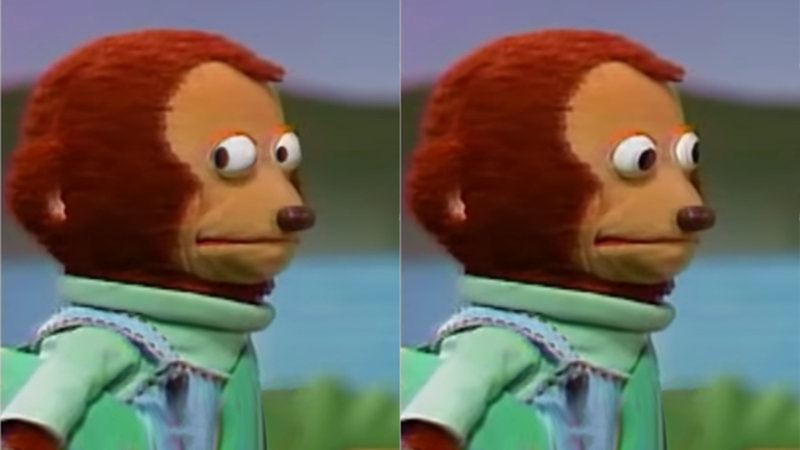
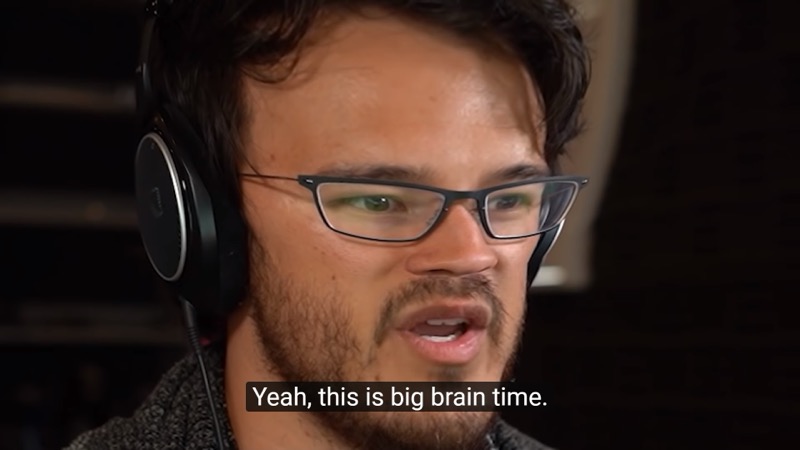
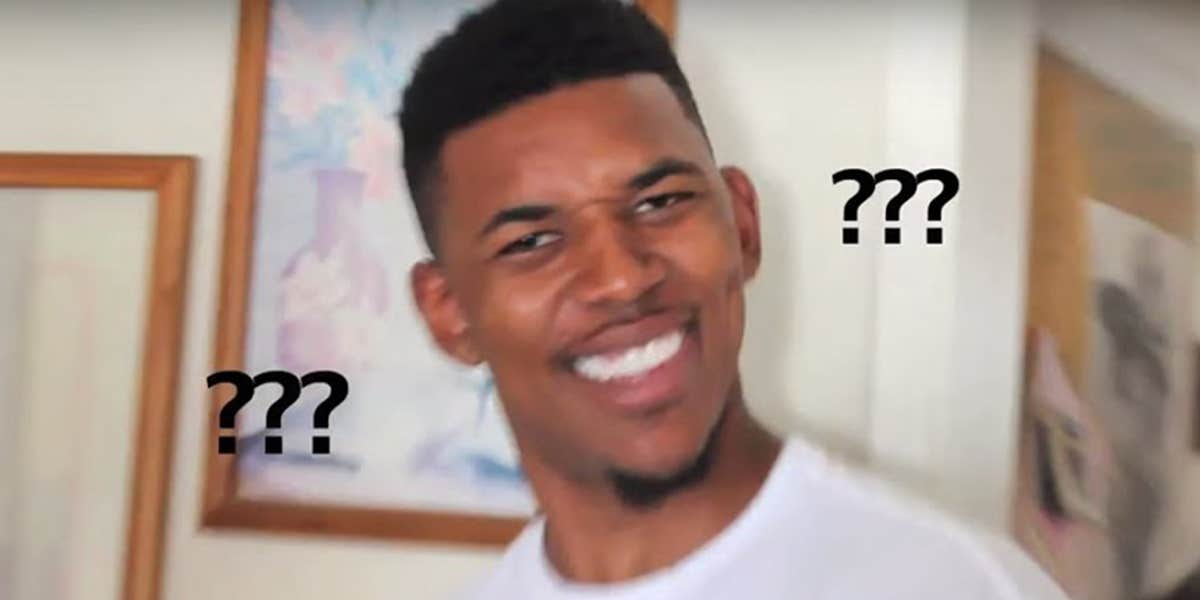
Side Eye is the wordless “I’m judging this.” It is deployed when something is suspicious (“he said he’d ‘just be five minutes’”), cringe or secondhand-embarrassing, or mildly outrageous but not worth a full reaction. Its power is economy: a single sideways glance communicates doubt, disapproval, and restraint all at once. The tone is dry and knowing — closer to a raised eyebrow than an outburst — which is exactly why it fits so many everyday situations, from petty annoyances to quietly unbelievable takes.
How it spread
Chloe’s face went viral almost immediately: on September 18th, 2013, Tumblr user Lee posted an animated GIF set of highlights from the video, which racked up hundreds of thousands of notes, and Photoshoppers began pasting Chloe’s expression onto celebrities and famous scenes. On November 13th, 2013, BuzzFeed crowned her “the Patron Saint of Tumblr.” The original video has since amassed tens of millions of views. Over the following decade the broader “side eye” reaction — including newer kids’ side-eye photos and the side-eye emoji — became a texting and reply staple, surging again on TikTok and X from around 2023. New reaction clips of children and adults cutting a skeptical glance kept the format fresh, but Chloe’s original screen-grab stayed the definitive image, endlessly recaptioned to fit whatever suspicious or cringe situation a poster wanted to skewer.
Notable examples and variations
- “Side-Eyeing Chloe” Photoshops placing her skeptical look into unrelated images and historical scenes.
- Kids’ side-eye photos used to react to adults’ bad decisions.
- “Me watching my friend text their ex back” style captions over a side-eye reaction.
- The side-eye emoji dropped into replies as a wordless judgment.
Legacy
“Side-Eyeing Chloe” turned a two-year-old’s split-second reaction into one of the most enduring reaction images of the 2010s; Chloe Clem became an internet celebrity, and the family has periodically revisited the moment as she has grown up — a related NFT of the image reportedly sold for tens of thousands of dollars in 2021. More broadly, “side eye” remains one of the highest-volume reaction searches online precisely because the gesture is universal — a single look that says everything without a word.
Examples & gallery
Frequently asked
What does the Side Eye meme mean?
It is a sideways, skeptical glance used to react to something suspicious, cringe, or mildly outrageous — a wordless "I'm judging this."
Who is the side-eye girl?
The most famous side-eye is "Side-Eyeing Chloe" — Chloe Clem, who was two when she gave the look in the 2013 video "Lily's Disneyland Surprise....AGAIN!"
Where did the side-eye meme come from?
The phrase predates the internet, but the format crystallized around Chloe Clem's 2013 reaction, which went viral on Tumblr before spreading everywhere.
Why is it so popular?
Its economy — one glance conveys judgment, doubt, and restraint at once — makes it fit countless everyday situations.
Sources
Embed this meme
Drop this on your site — it links back here.